What GrapheneOS actually is
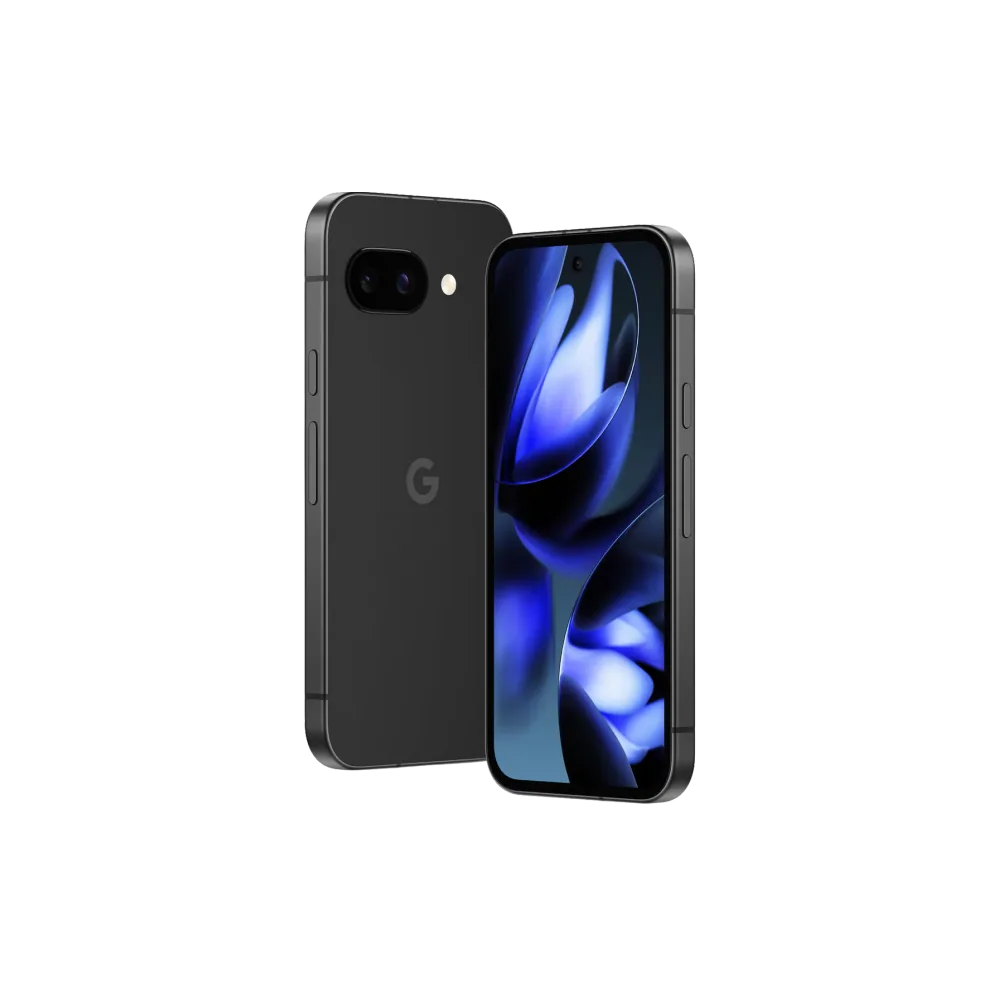
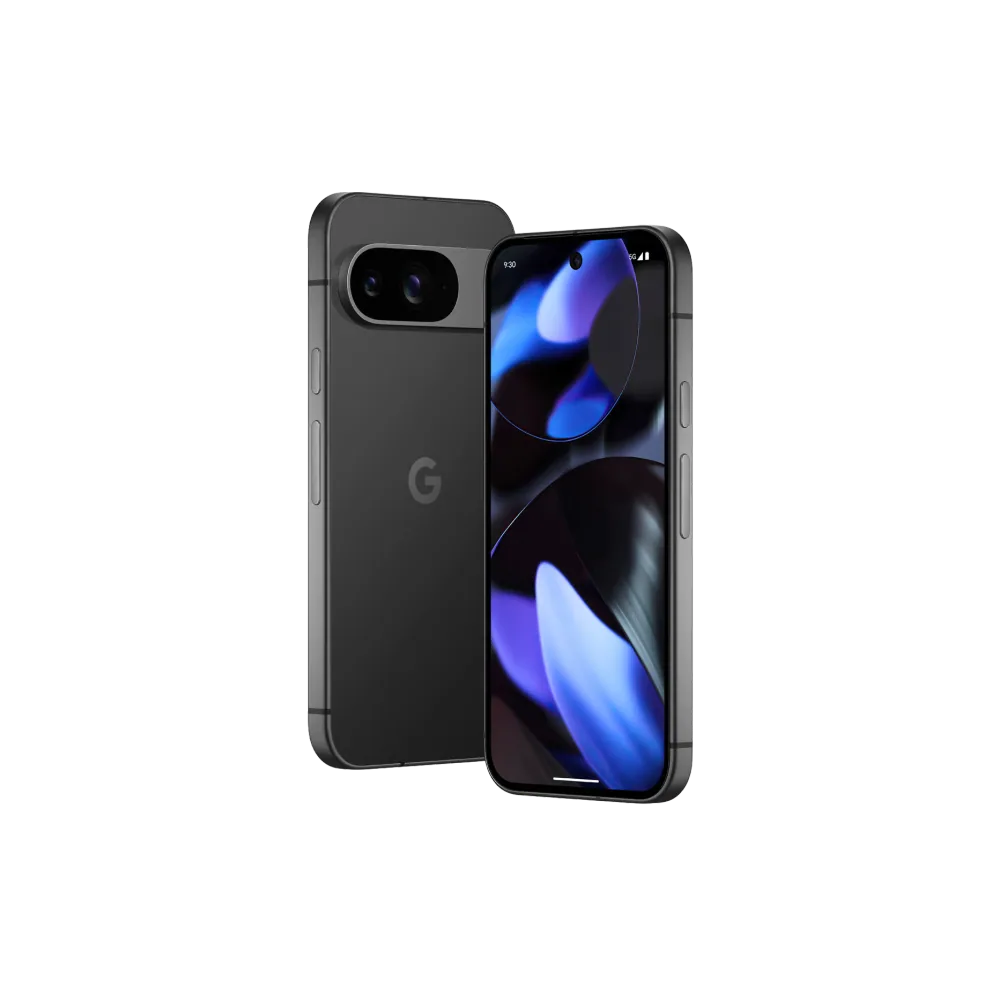
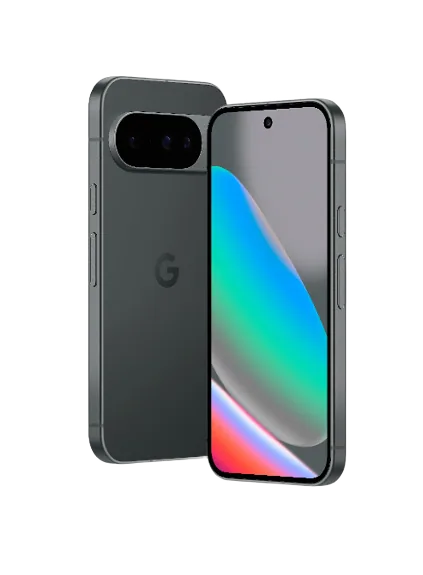
GrapheneOS is not a separate phone or an app, it is an operating system: a fully rebuilt version of Android with no Google services, no telemetry back to Google, and a substantially hardened security layer underneath. It only runs on Google Pixel devices, because Pixels are the only Android line with the open bootloader and hardware security the project needs to make verified boot work properly.
It is open source, developed and maintained independently of Google, and the source code is publicly auditable. That makes it fundamentally different from a "privacy launcher" or a custom ROM that still leans on Google Play Services: GrapheneOS removes that layer entirely.
The differences you notice immediately
On first boot there is no Google account required and not a single Google app present. No Gmail, no Play Store, no Google Maps, no background sync to Google servers. That is the biggest visible difference right away: stock Android starts with Google already deeply woven into the system, GrapheneOS starts empty.
You install apps via F-Droid or Aurora Store (a layer that approximates the Play Store without needing a Google account), or you optionally enable Google Play Services inside its own sandbox. That last part is a deliberate GrapheneOS choice: you can get banking apps or other apps that demand Play Services to work, but those services then run inside the same restricted frame as any other app, instead of with system privileges.
The differences you do not see, but that matter most
Verified boot: the device checks at every startup whether the system partition matches the official GrapheneOS build exactly. If anything was modified, the device reports it right at boot, instead of installed malware going unnoticed.
Hardened memory allocator, kernel-level exploit mitigations and a stricter per-app sandbox: these are the parts that make it harder to actually exploit a vulnerability in an app or in the system. Stock Android has these layers too but less strictly, mainly because manufacturers prioritise compatibility over maximum security.
Per-app network access control, a real firewall without root, and the ability to fully disable sensors like the microphone or camera per app instead of merely denying permission. That last part sounds minor, but the difference between "deny access" and "the sensor does not exist for this app" is exactly where a lot of privacy leaks originate.
What stays the same
Calls, SMS, camera, browser, navigation apps without Google Maps, and the vast majority of Play Store apps work without modification, especially with sandboxed Google Play Services enabled. The interface is nearly identical to stock Android: no learning curve, no different look, no complicated settings menus to work through first.
Where it can get awkward
Apps that require Google Play Integrity at the strictest level, such as some banking apps or games with anti-cheat, can refuse to run because they specifically check for an unmodified Google environment. Sandboxed Play Services solves this for most apps, but not all. We check this upfront per customer: tell us which apps you need and we will say honestly what probably will not work before you buy.
In short
GrapheneOS changes what happens under the hood, not how your phone feels to use. You lose Google’s oversight and some of the convenience of deeply integrated Google services, and you gain verified boot, a harder sandbox and full control over which sensor and which network each app is allowed to use.